
Case Study: How Real-Time Metrics Allow Immediate Ad Optimization

Wikia, the leading network of collaboratively-published video game, entertainment, and lifestyle content on the web, recently sought to promote Qwizards, a video quiz series out of its Video Game channel in which gaming enthusiasts compete on trivia.  

Wikia used Flite’s Ad Studio to create half-page ad units with 10 different “webisodes” whereby users could view and learn more about the quiz show.

The first ad variant, using the Flite Carousel component to display the available webisodes, didn’t perform. Interaction and engagement metrics made it fairly clear that users weren’t grasping that they could watch videos within the ad itself. Using Flite’s real-time performance metrics Wikia was able to optimize across the test variants within hours.
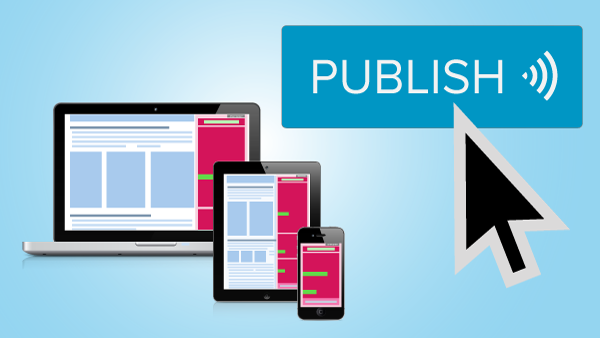
Ads with Photo Galleries, Carousels, and Slideshows

There's a reason display ads that incorporate photo galleries have become increasingly popular. People like to interact visually with Web content, and they'd like to do so without having to leave the page they had deliberately chosen to visit. A properly-designed ad with embedded photos and an intuitive way to interact with them can be an inviting, safe attraction for viewers, and given the value of ad engagement to a brand, a considerably compelling format for advertisers.

Let's look at a few examples that surface photos and allow interaction and additional functionality in different ways. The ads below are mocks and are displayed here only for demonstration purposes. All mocks created using Flite Ad Studio 3.

Ads with Photo Slideshows

These ads incorporate image rotators, typically with previous/next arrows or radio buttons to give the viewer control over the process of reviewing the images.

The Impact of Timing for Viral Videos

Source: eDentalImage

Viral videos are the holy grail of advertising and marketing.

But with the number of videos cluttering the market — over 70 hours of video are uploaded to YouTube every minute — it's hard to make yours stand out, much less spread like wild fire.

Case in point: when Ad Age launched their Viral Video Chart four years ago, the average view count needed to make it on the list was 220,000 views.

Today, it takes 1.5 million views to be considered a viral video. That threshold even accounts for the viewership of clips related to the campaign across the web and on various sites, so it's counting views beyond just YouTube. Even then, that's a 600% increase in the threshold, and perhaps difficulty, in what it takes to go viral.

How Hilton Used Content Marketing to Grow Facebook Fans by 200%

Source: Hilton Hotels & Resorts

Hilton's Facebook strategy used to be basic: include photos of properties and beaches once in a while.

But in January of this year, the brand decided to leverage content to generate more engagements with existing and potential fans. This resulted in doubling the number of fans to reach 1 million in only four months.

How did the company do this? By creating a robust content calendar which includes a diverse mix of relevant, entertaining, and informative messaging. The types of content that Hilton used can inspire brands from a wide range of industries.

Here are examples of content ideas and different types of posts:

LUMAscape & IAB Digital Advertising Arena - Comparison

The Display LUMAscape & IAB Digital Advertising ArenaFor years, LUMA Partners' CEO Terence Kawaja provided the only reliable map to navigate the intricate value chain of the display digital advertising business. The Display LUMAscape provides an easy-to-read, if a little cluttered, expose of the ad technology ecosystem, with the buy side on the left and the sell side on the right. Prominent players in the ad tech marketplace are clustered together, with notations for companies that have been either acquired or closed.

The IAB has recently unveiled a chart which looks at the same arrangement from a different point of view. Instead of focusing on specific companies and platforms (in fact, it does not list them at all), the Digital Advertising Arena instead concentrates on the relationship between the layers of suppliers and consumers of data, services, and platforms, much like the layers of an onion. At the center is the brand, with each type of value contribution represented as a colored layer.

Considering the differences in both the format and content of each graphic, it's best to consider these two charts as complements to each other rather than rivals. Let's have a more detailed look at both.

3 Reasons to Publish to Your Paid Media

You can update your company’s blog or Facebook page with a few clicks. It happens all the time.

You can also update your company's ads almost as easily. That's because ads aren't files anymore; they're tags — dynamic creative containers. Yet publishing new ad content happens a lot less often. Why is that?

Although ad platforms have given advertisers direct access to be able to modify ads at any time without ever being locked-in to a specific creative, few companies make use of this amazing opportunity. We're still stuck thinking of ad tags like the static files which they replaced.

The future of online advertising is not static though. It's quite the opposite. Think for a minute — when was the last time you looked at something old online?

Below are the three ways brands can improve ad performance by publishing to paid media. Each strategy builds upon the one before, so I've listed them from least to most complex.

So, why are companies embracing paid media publishing?

Embedding YouTube Videos in Display (Banner) and Mobile Ads

See the live video ad below.Videos are among the most engaging forms of dynamic content on the Web. If a picture is worth a thousand words, a good video is probably worth a million (maybe even more). The last decade has seen embeddable video, primarily hosted on YouTube, proliferate across all sorts of online media, including ads. Online ads incorporating video ("in-banner") continues to grow, apparently with good reason. A study by Dynamic Logic suggests that online video ads are considerably more influential in driving purchase intent than other rich media ads, particularly if they were designed specifically for online media. Even repurposed TV ads aided brand awareness among viewers.

And while it's become increasingly easy to include video content in ads, the capacity for autoplay video to annoy users has also forced advertisers to think carefully about how to surface it delicately. In particular, audio that isn't user-initiated is a big no-no; in fact, it's prohibited under the IAB Display Advertising guidelines. But there are a few ways to encourage audio initiation and interaction that strengthens the quality of engagement.

Online Brand Advertising - Outlook and Best Practices

Click to see slideI participated in a webinar yesterday that shared findings from Nielsen's second annual Online Advertising Performance Outlook report. The study surveyed marketers and media sellers for their sentiments on the current state of online brand advertising and how they anticipated it to change over the next year.

Since both media buyers and sellers were polled, the report provides perspective from both sides of the online advertising market equation. Where brands, agencies, and publishers agreed and disagreed was also interesting, as this is an evolving marketplace and there are still disconnects about how to measure and evaluate the impact of online brand ads.

Some of the highlights:

The Future of Store Experiences: How The World's Largest Retailer is Reinventing Print Ads And Embracing Digital Content

Source: Randy Faris

How many times have you seen an interesting ingredient in a supermarket, but passed because you weren't sure what to cook with it?

Walmart aims to solve that problem by providing information to customers when they need it and want it. The retailer will soon have scannable barcodes for customers to instantly find recipes, how-to videos, and ingredient lists.

This is all part of Walmart's new strategy to bulk up its "Print Plus" weekly circular with digital content for its readership of 80 million people. Brands will supply content that appears when customers scan their smart phones over print ads.

Walmart wants to play the role of curator by producing no more than 15% of the content, while brands will provide the rest in exchange for brand exposure and additional touch-points to interact with shoppers.

8 Ideas for Content-Rich Ads

Image Credit: TheCulinaryGeek

For most brands, consumer-friendly content marketing is already part of your day-to-day.

You have seen the benefits of content marketing on your site for lead gen or moving consumers down the funnel. You spend time and budget authoring content and building an engaging social media presence.

Yet your paid advertising continues to be planned and executed in a traditional manner.

Do you secretly want to adopt a paid content strategy to transform your ads into a vehicle for immersive brand storytelling?

Below are some examples of small bites of content that can thrive in ads and generate engagement and interest:


1. Social posts and feeds 

Having a great-looking social media presence? Adding your Facebook or Twitter feeds to your ads is a great way to give new distribution to the content your social team puts so much effort into.

You may already advertise on social media. Why not advertise with social media?


2. Help and how-to-choose articles 

The same content that adds value to help shape consumer opinion on your site or blog can be helpful in an ad as well, as long as word count is short enough to fit in the format. Expandable ads or scrollable formating can be helpful for longer-form content.

Embedding Forms in Display (Banner) and Mobile Ads

See the functional form-embedded ad below.Whether they're used to capture lead information, solicit feedback, or simply log in, forms are one of the most commonly-implemented features on Websites. But since directing users to a microsite to fill out a form interrupts their site browsing experience, advertisers have increasingly looked to instead embed forms directly within the ad itself. Without having to abandon the site users are more likely to fill out the form, improving response rate and obviating the need for building a landing page.

While form widgets for use on blogs and other site pages have been common for years, embedded forms in ads are a relatively new feature of paid media publishing, and require a bit more sophisticated coding on the backend. I'll be using Flite Ad Studio 3 to showcase display ads with embedded forms, and Ad Studio's mobile counterpart, Touch Ad Studio, to demonstrate forms in ads developed for phone and tablet browser and app environments.

Are You Advertising Like It's 1999?

I recently took a scroll down memory lane at the Banner Ad Museum. I thought surely we've come a long way in advertising. Certainly it must be far better than I remember.

Yet 14 years ago, ads weren't much different than many I see today. 

Bank of America, then:

The text on this Bank of America ad cycles through a few different frames that explain their offer. 

Bank of America, now:

Nice design, sophisticated animation, and more compelling story-telling characterizes many of their current flash banners. 

Embedding Polls in Display (Banner) Ads

Ad with embedded pollOne of the most universally understood and accessible dynamic elements an advertiser might want to include in a dynamic display (banner) ad is a poll. Since visitors are typically used to seeing poll widgets on Websites and blogs, polls can be a simple, safe invitation for a visitor to interact with a dynamic ad and begin engagement with a brand.

Since polls must be able to capture, store, and access data, and render results dynamically, implementation normally requires an AJAX-enabled interface relaying information back and forth with a database on the backend. Flite Ad Studio 3 enables ad creators to embed polls without any coding, so that's what we'll use here. Let's have a look at how this kind of ad would look in the wild.

Targeting With Real-time Mobile Ads Based on Weather

Stormy Weather

Brands now have another way to target on-the-go customers with relevant information: mobile ads based on the weather.

According to AdWeek, this tactic makes sense for a lot of brands because certain products are more applicable based on weather conditions.

Ace Hardware, for example, targets users with ads before and after snowstorms by offering shovels and other snow equipment. Initial results were positive, so the brand wants to expand its usage of weather-based ad targeting. When it's sunny, Ace will show ads for gardening, fertilizers, and other outdoor ware that consumers are more likely to think about when the weather is warm.

What Corporate Brand Marketers Can Learn From Startups

One of the biggest strengths of brand marketers in homogenous verticals is that they are experts in understanding consumer behavior and brand-building. Toilet paper, laundry detergent, shampoo, and pet food are stable categories with fierce competition. Parent companies like Unilever or P&G wouldn't be where they are now — $84 billion in annual sales — without knowing how to run a profitable business and giving people what they want.

At the same time, marketers can and should learn from a wide array of industries, categories, and job functions outside of their own world. This is how they stay sharp and relevant — this is how they evolve with their customers.  So what can marketers at global multi-national corporations learn from startups?

The Evolution of Online Display Advertising

Do you know the difference between an ad exchange and an ad network? What does DSP stand for? What is the buy-side and sell-side?

It's important for brand marketers to understand the basics of display advertising beyond messaging and creative.

Why? Because it's clear that digital is becoming an increasingly important portion of marketing budgets.

Worldwide digital ad spend passed the $100-billion mark last year and is estimated to increase by another 15% in 2013. This means that digital will comprise a quarter of total ad spend across all forms of media.

6 Ways To Overcome Banner Blindness

With only 1 in 1,000 people clicking through on display ads, it's no wonder that banner blindness is a serious uphill battle for advertisers.

The truth is that web users are jaded, frustrated, and downright annoyed with display ads that offer text, image, and maybe a Flash animation to attempt to grab attention.

So what does it take to overcome banner blindness? What kinds of ads do people pay attention to and  — dare we say — love?

Here are 5 aspects of successful display ads that overcome banner blindness.